Galaxies imaged via the 3D-DASH technology. © Lamiya Mowla While the James Webb Space Telescope (JWST) has been receiving a lot of attention lately (notably, it was hit by a little space rock), Hubble continues to be a faithful performer as it observes the sky. Recently, a team of astronomers led by Lamiya Mowla at… Continue reading Hubble’s largest-ever near-infrared image will help researchers discover galaxies far far away
Tag: eye
An introduction to microscopic photography
This ice crystal was approximately 1 mm in size. The picture was made at 2:00 pm and the temperature was 14 F. This type of flake is called a stellar dendrite. Michael Peres This post has been updated. It was originally published on Aug. 26, 2015. Michael Peres loves photographing the tiny details of our… Continue reading An introduction to microscopic photography
How to get a blurry background in portraits
Dan Bracaglia A blurry, out-of-focus background is often seen as a sign of a professional or high-quality portrait. While it’s certainly a bit of a simplistic take, it’s undeniable that portraits with a sharp subject and a soft, creamy background are popular, and a look that many photographers want to create. Here’s how. What makes… Continue reading How to get a blurry background in portraits
How to Read Scopes in Resolve: Waveform, Parade, Histogram, & Vectorscope

Learn to colour correct with our free course DaVinci Resolve Colour Grading for Beginners. You’ll learn how to use each important tool in Resolve, including how to set up your project using scene cut detection, how to get clean skin tones with noise reduction and how to create cinematic looks. This lesson will teach you… Continue reading How to Read Scopes in Resolve: Waveform, Parade, Histogram, & Vectorscope
How to Retouch a Portrait in Pixelmator Pro

If you’re looking for an affordable photo editing software that contains more than enough features to use for retouching a portrait, look no further than Pixelmator Pro. This Mac-based software is easy to use and with a one-time purchase price of $39.99 USD, it might just be the only photo editor you ever need. Pixelmator… Continue reading How to Retouch a Portrait in Pixelmator Pro
How to Isolate Skin Tones for Colour Correction in DaVinci Resolve
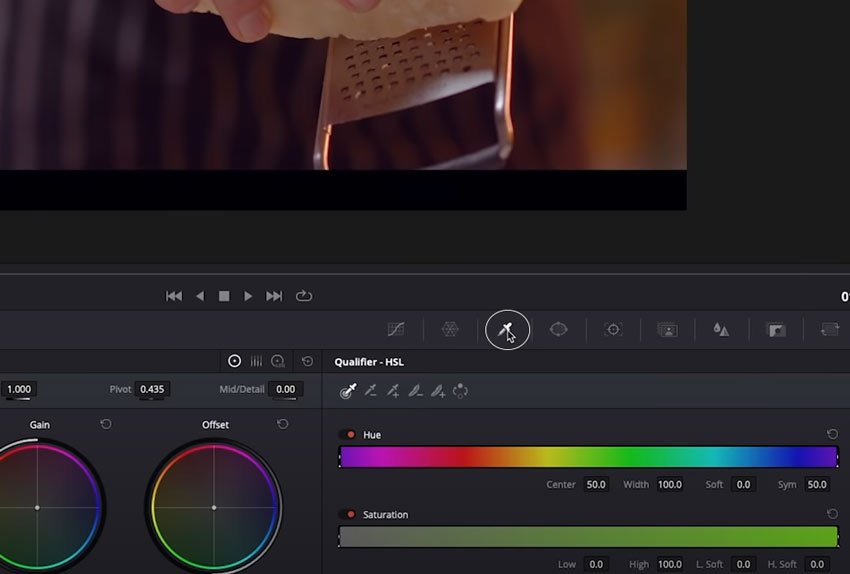
Learn to colour correct like a pro with our free course DaVinci Resolve Colour Grading for Beginners. You’ll learn how to use each important tool in Resolve, including how to set up your project using scene cut detection, how to get clean skin tones with noise reduction and how to create cinematic looks. This lesson… Continue reading How to Isolate Skin Tones for Colour Correction in DaVinci Resolve
June 2022 Update for Lightroom Classic and Lightroom
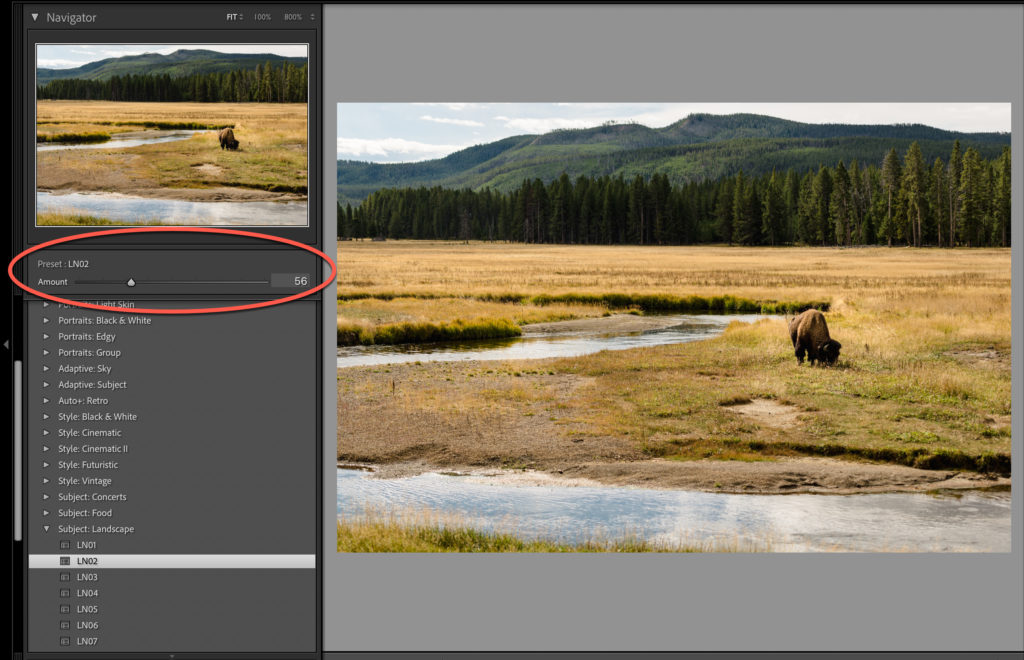
The June update has arrived! Along with support for new cameras and lenses we’ve gained a host of new features and improvements in Lightroom Classic and Lightroom. Let’s take a look at what’s new in Lightroom Classic first. Preset Intensity Adjustment This one goes up to 11 … er, 200 actually! A very cool new… Continue reading June 2022 Update for Lightroom Classic and Lightroom
The Nikon Z9 uses a Sony sensor, so what?
Nikon said it designed the Z9’s sensor; TechInsights says Sony made it. What gives?. Nikon The internet, or at least a portion devoted to digital photography news, is suddenly aflutter. A new report from the folks over at TechInsights just revealed the maker of the imaging sensor at the heart of the Nikon Z9 flagship… Continue reading The Nikon Z9 uses a Sony sensor, so what?
How to Use Layers in Pixelmator Pro — Nondestructive Editing Workflow
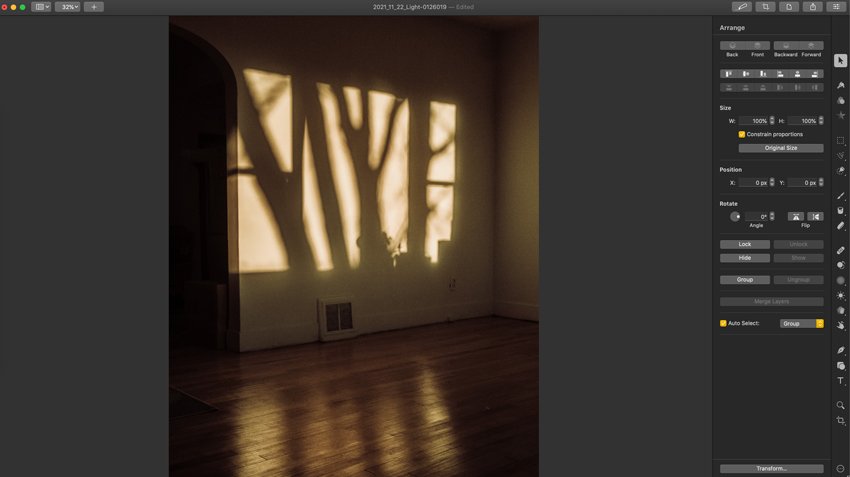
Pixelmator Pro is a Mac-based application that boasts all the power you’d expect from a professional level photo editing software. At a fraction of the price of its competition, and a free 15 day trial, Pixelmator Pro is a great option for any photographer looking to edit their photos. One of my favourite features of… Continue reading How to Use Layers in Pixelmator Pro — Nondestructive Editing Workflow
How to Use Exposure Compensation on a Digital Camera

With few a simple changes to the basics settings you can make your DSLR or mirrorless camera much easier to use, with the added control of exposure compensation. In this tutorial we’ll look at how, and why you might want to. Exposure Compensation is a way to override or compensate for the automatic exposure settings… Continue reading How to Use Exposure Compensation on a Digital Camera